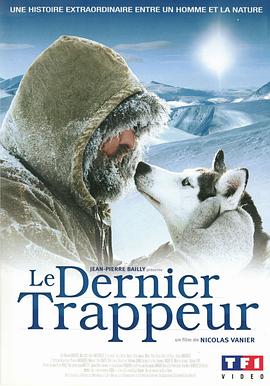
昨天我看了一个电影,是个法语片<最后的猎人,le dernier trappeur>,片子很很美,同时又有一点淡淡的忧伤,人们该好好思考人与自然的关系了。Trappeur中文翻译成猎人,但所指的是专门利用陷阱和夹子狩猎的猎人。片中男主人公Norman和他的印第安妻子Nebaska生活在远离城镇的大山中,延续传统尊重自然,与大自然和谐的相处。而如今文明的发展,让那种自然和谐的生活越发无处藏身。Norman不得不开辟新的居住地才能捕猎到皮毛动物,他有妻子Nebaska和忠实的雪撬犬相伴。片中虽然没有很多镜头表现两个人在一起的生活,但几个细节让我们可以感受到,他们是很彼此关怀爱护的。Nebaska为劳累的Norman按摩脊背,帮助他建好新的木屋,女人的灵感让Norman那天一定带上猎犬Abas, Norman开始并不喜欢Abas,但结果正是Abas把他从冰水中救出。女人们是很少愿意嫁给一个猎人的,现代的妇女更愿意稳定的生活,住在城镇中。没人愿意把生活系在毫无保障的夹子上的。但Nebaska还是和Norman相依为命的生活在一起。那种纯朴的心灵最美。
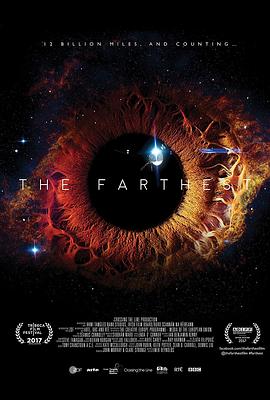
Is it humankind's greatest achievement? 12 billion miles away a tiny spaceship is leaving our Solar System and entering the void of deep space. It is the first human-made object ever to do so. Slowly dying within its heart is a plutonium generator that will beat for perhaps another decade before the lights on Voyager finally go out. But this little craft will travel on for millions of years, carrying a Golden Record bearing recordings and images of life on Earth. In all likelihood Voyager will outlive humanity and all our creations. It could be the only thing to mark our existence. Perhaps some day an alien will find it and wonder. The story of Voyager is an epic of human achievement, personal drama and almost miraculous success. Launched 16 days apart in Autumn 1977, the twin Voyager space probes have defied all the odds, survived countless near misses and almost 40 years later continue to beam revolutionary information across unimaginable distances. With less computing power than a ...